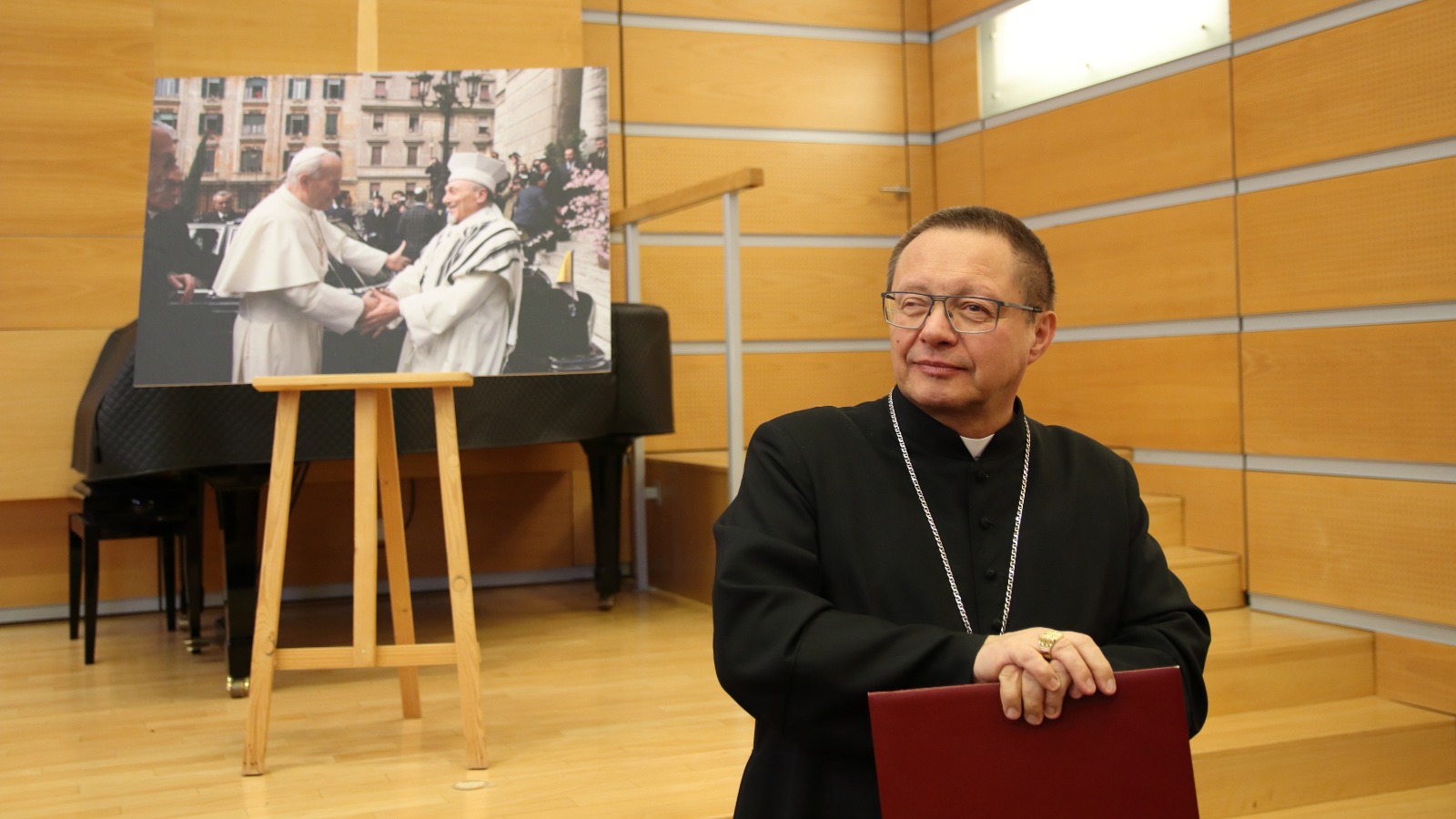
On 13 April 1986, Pope John Paul II made a historic visit to the Great Synagogue of Rome, where he was welcomed by the Chief Rabbi of Rome, Elio Toaff. This marked the first time since the era of St Peter that a pope had entered a synagogue. In the address he delivered on that occasion, John Paul II spoke these significant words:
“The Church condemns hatred, persecution, and every form of anti-Semitism directed against Jews—at any time and by anyone. I repeat: by anyone.”
From the standpoint of historically strained relations between Jews and Christians, it was a landmark moment, and the words spoken on that occasion continue to resonate to this day with all who are deeply committed to dialogue and reconciliation.
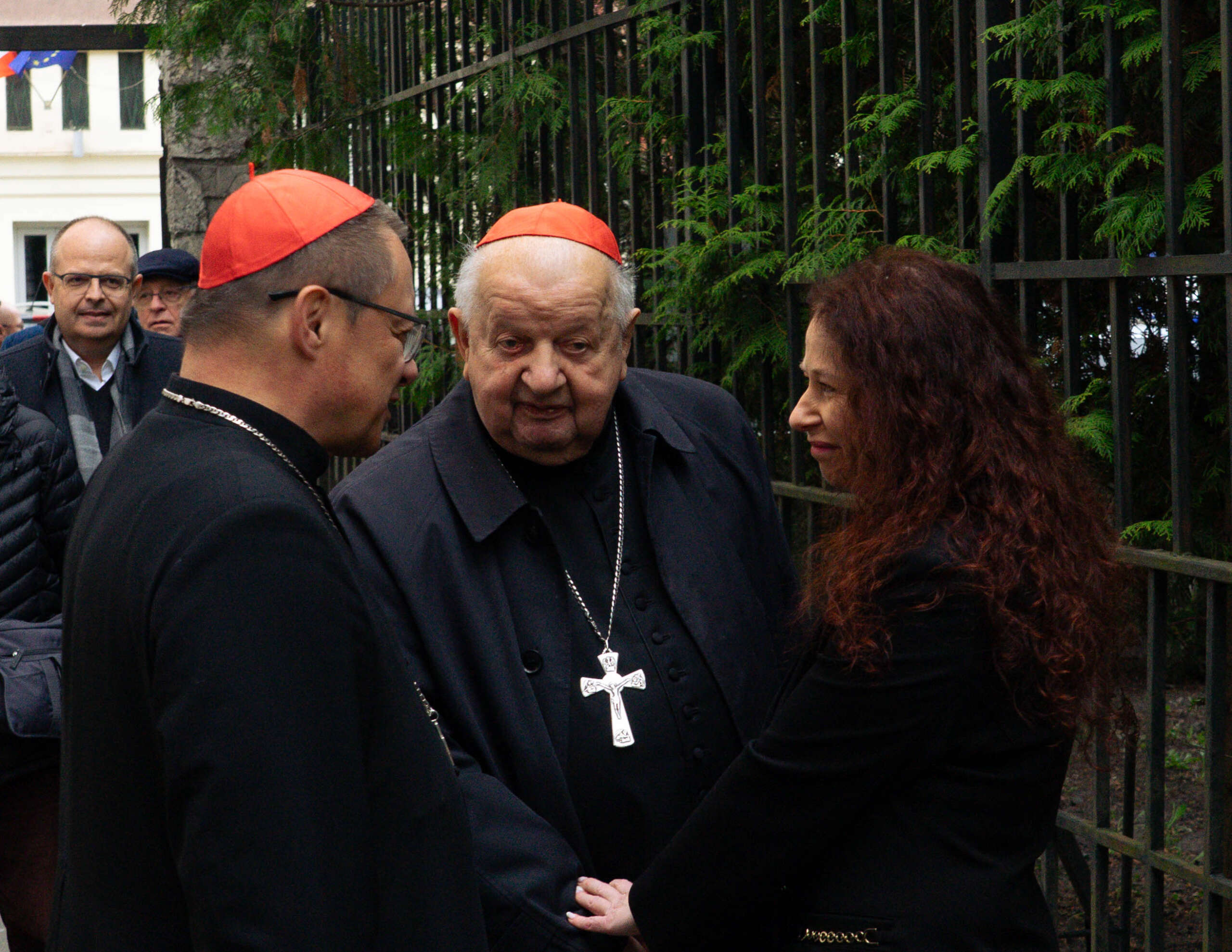
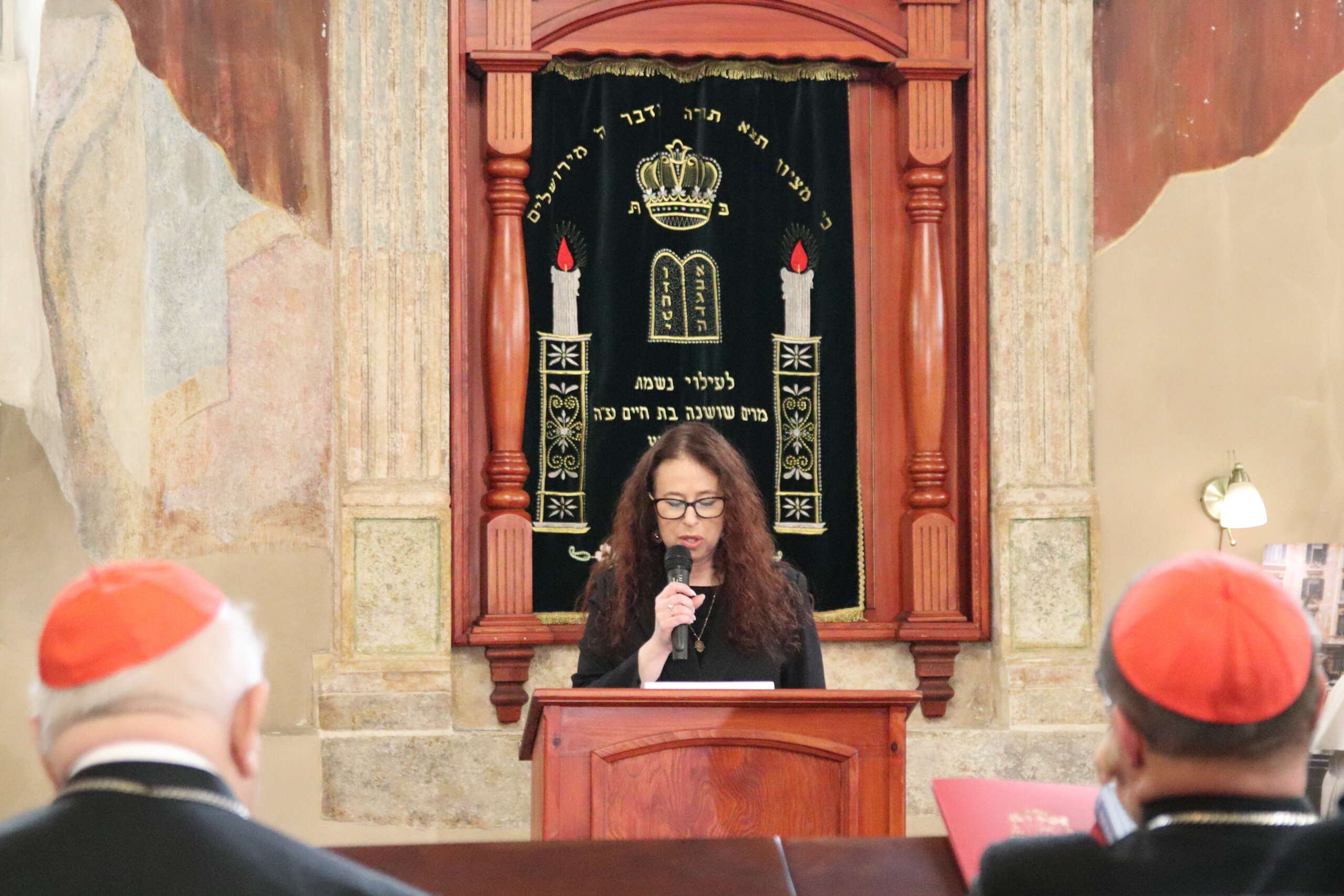
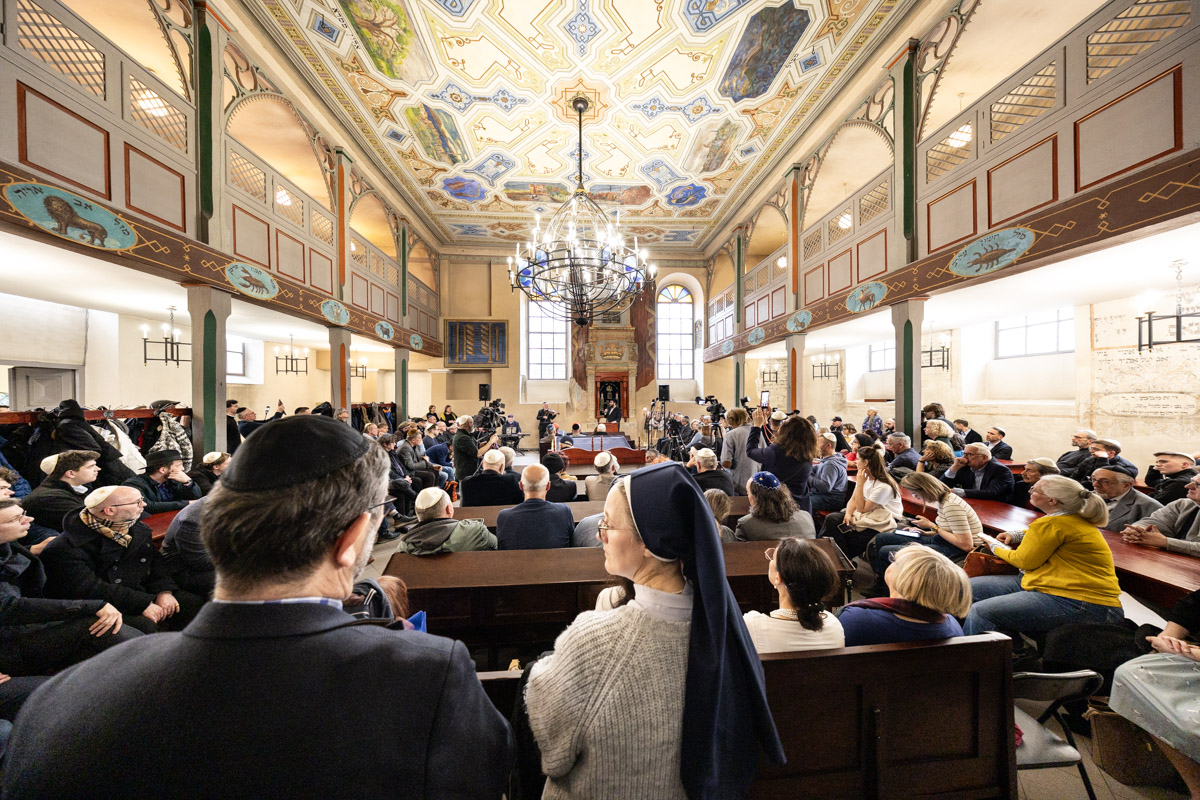
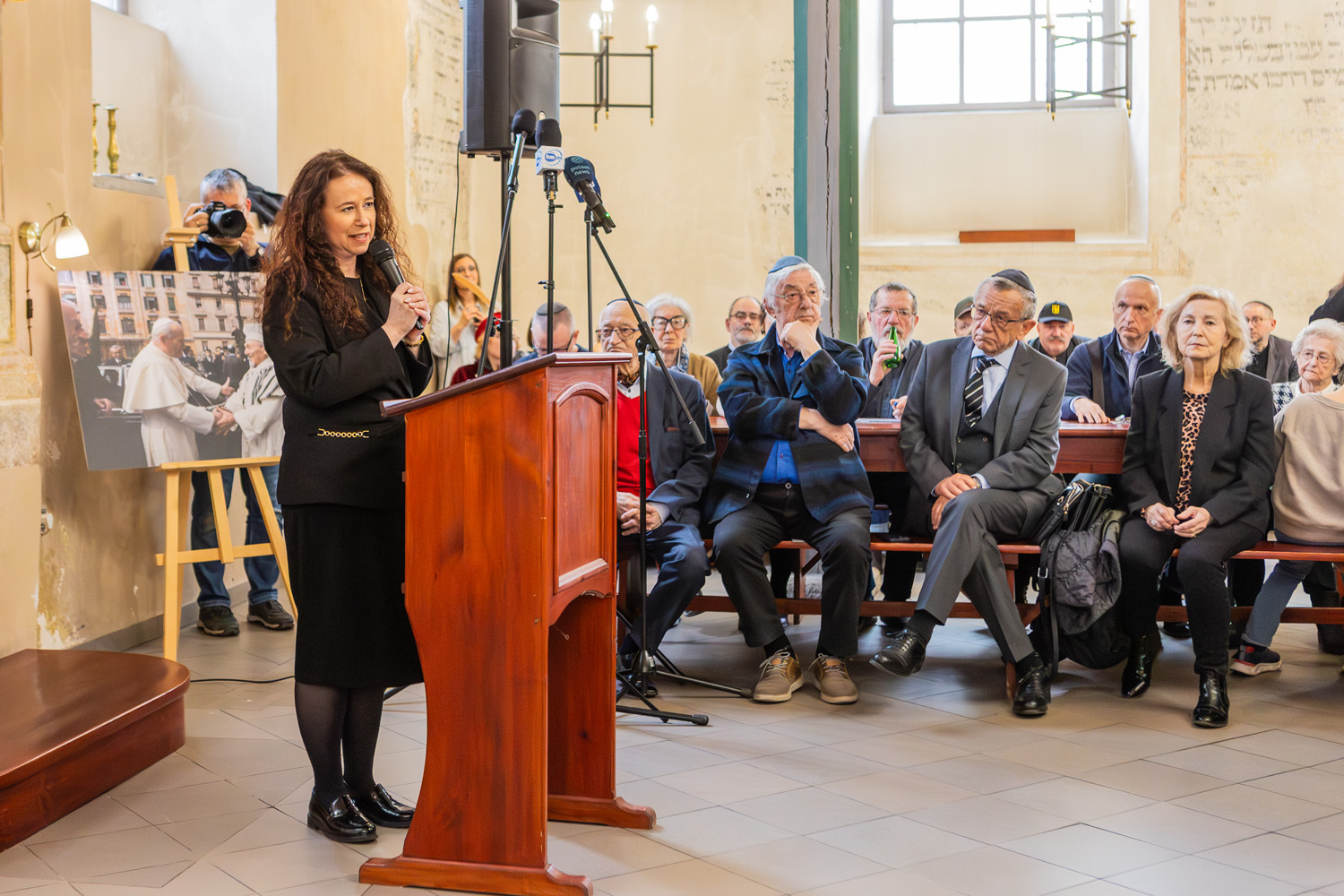
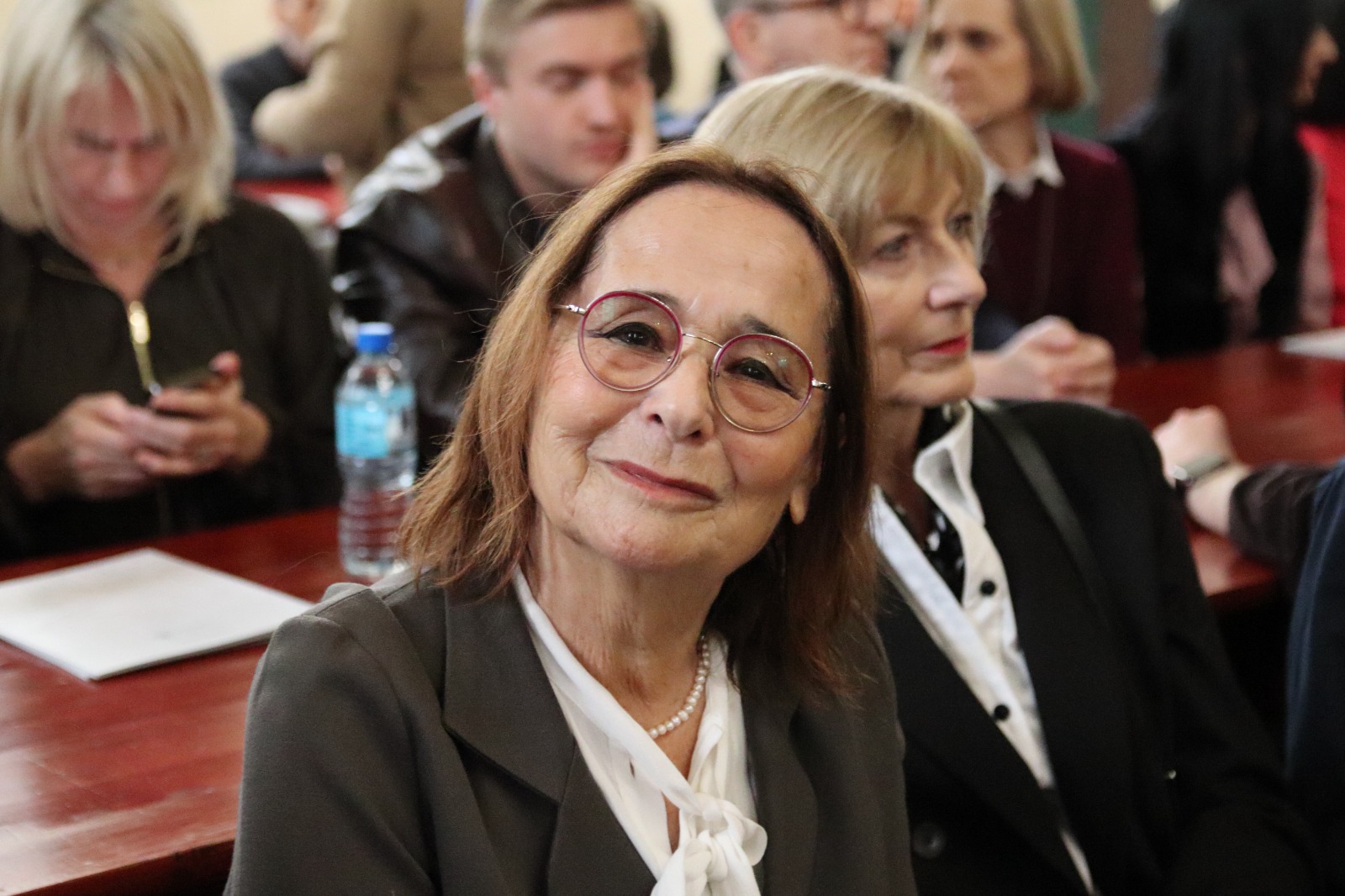
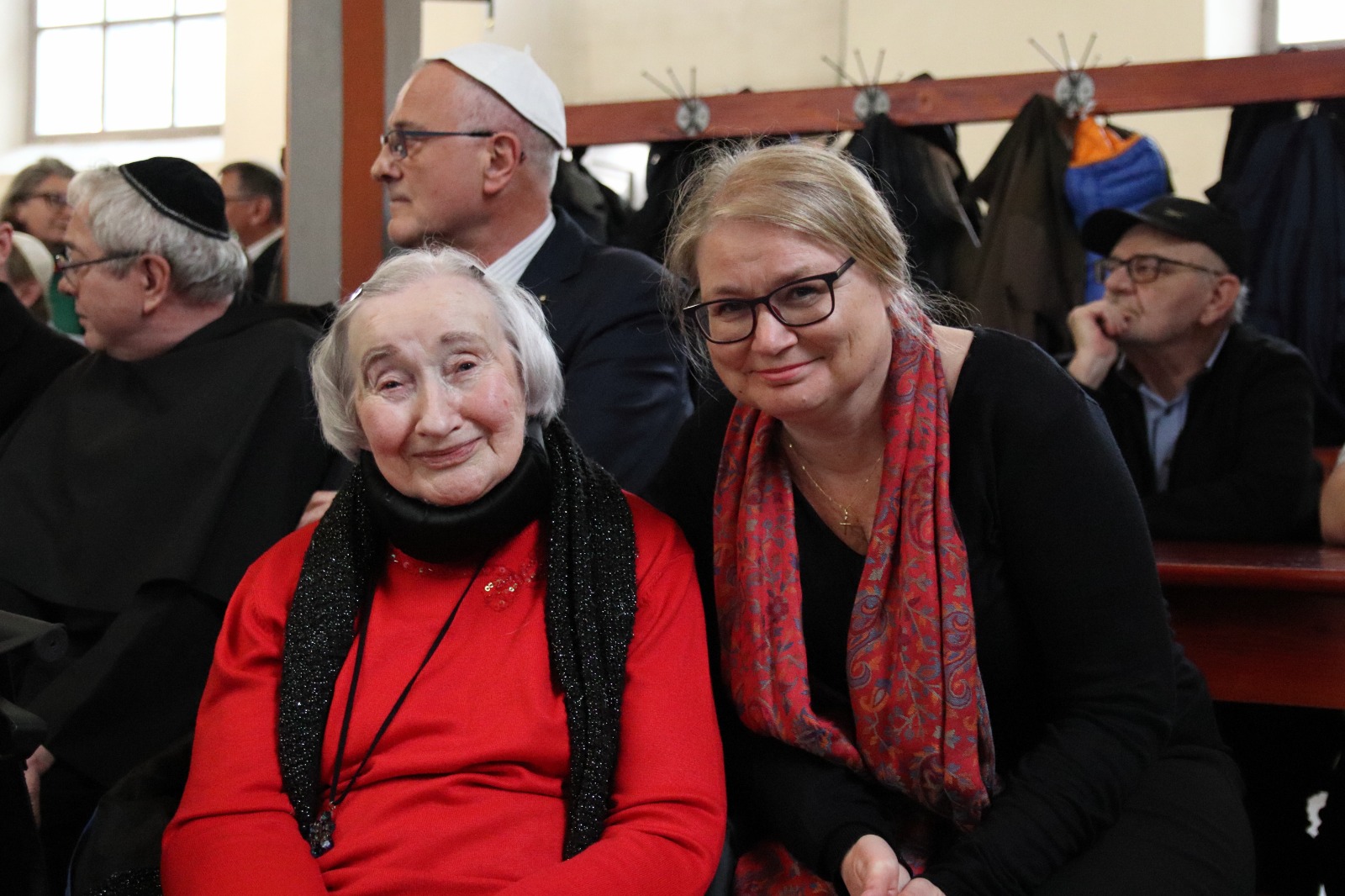
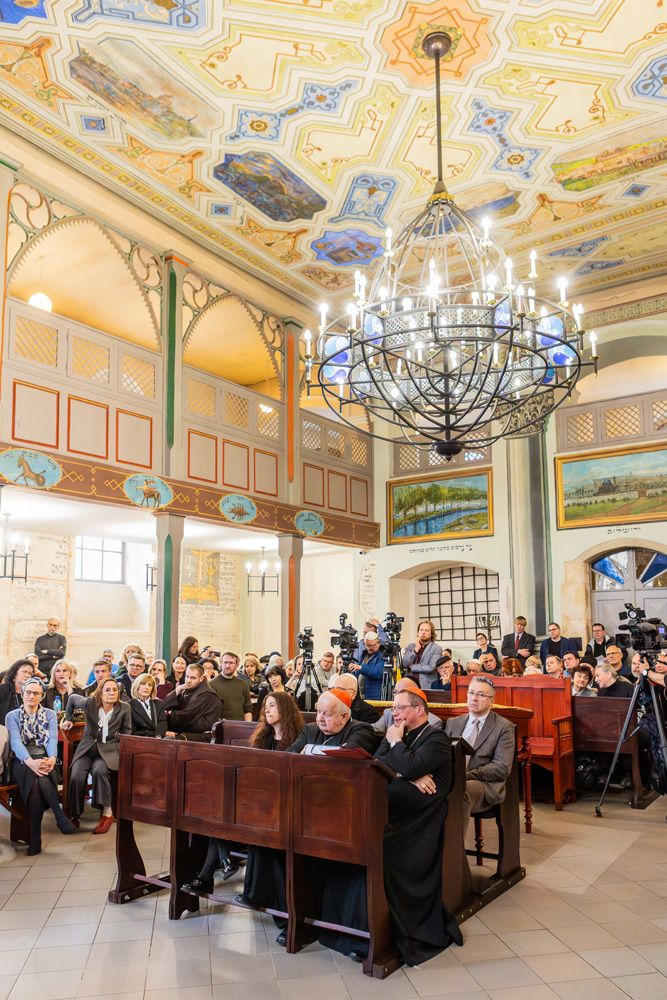
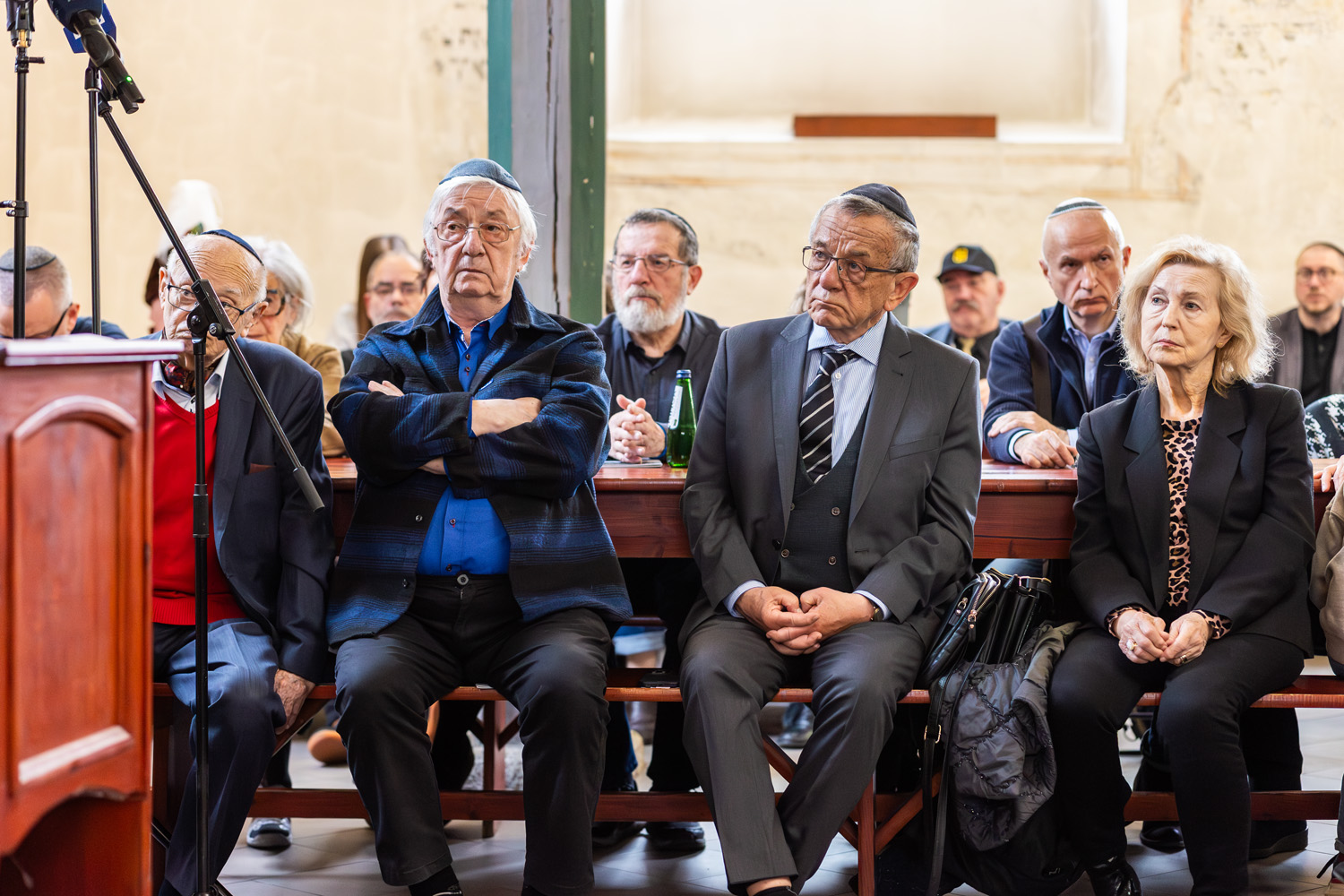
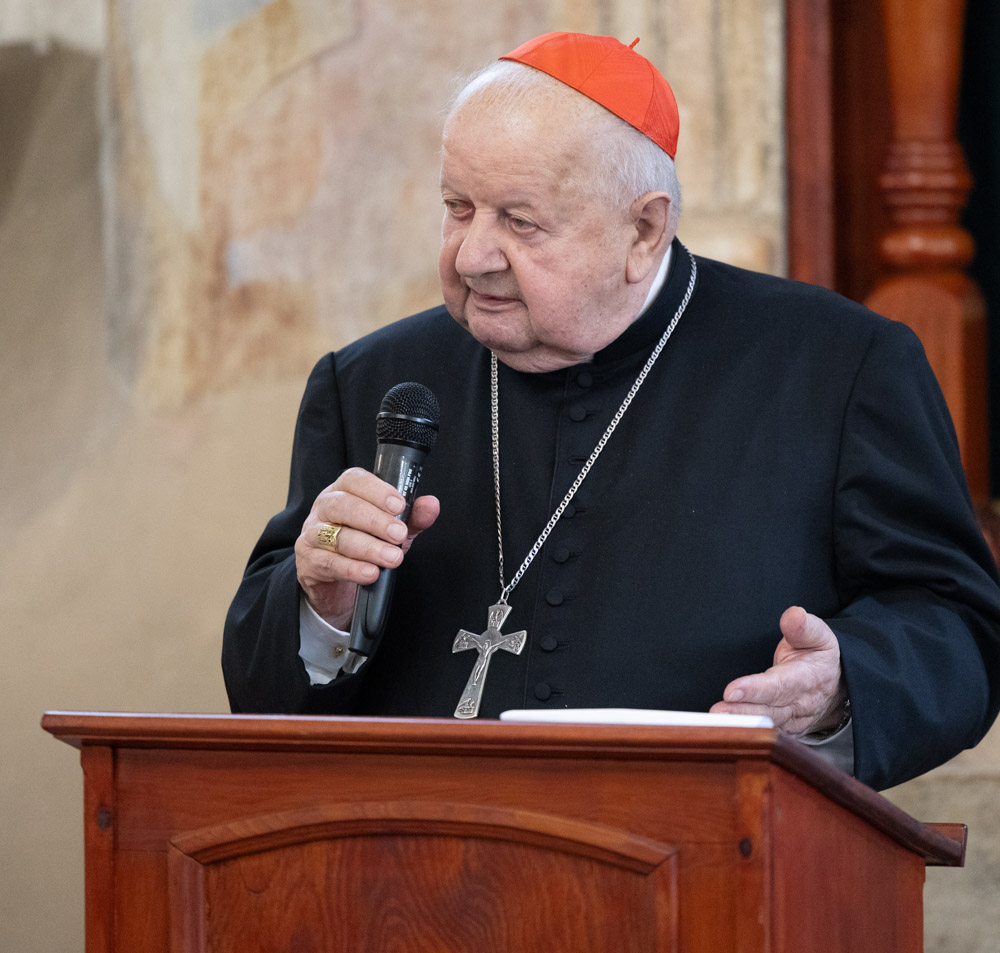
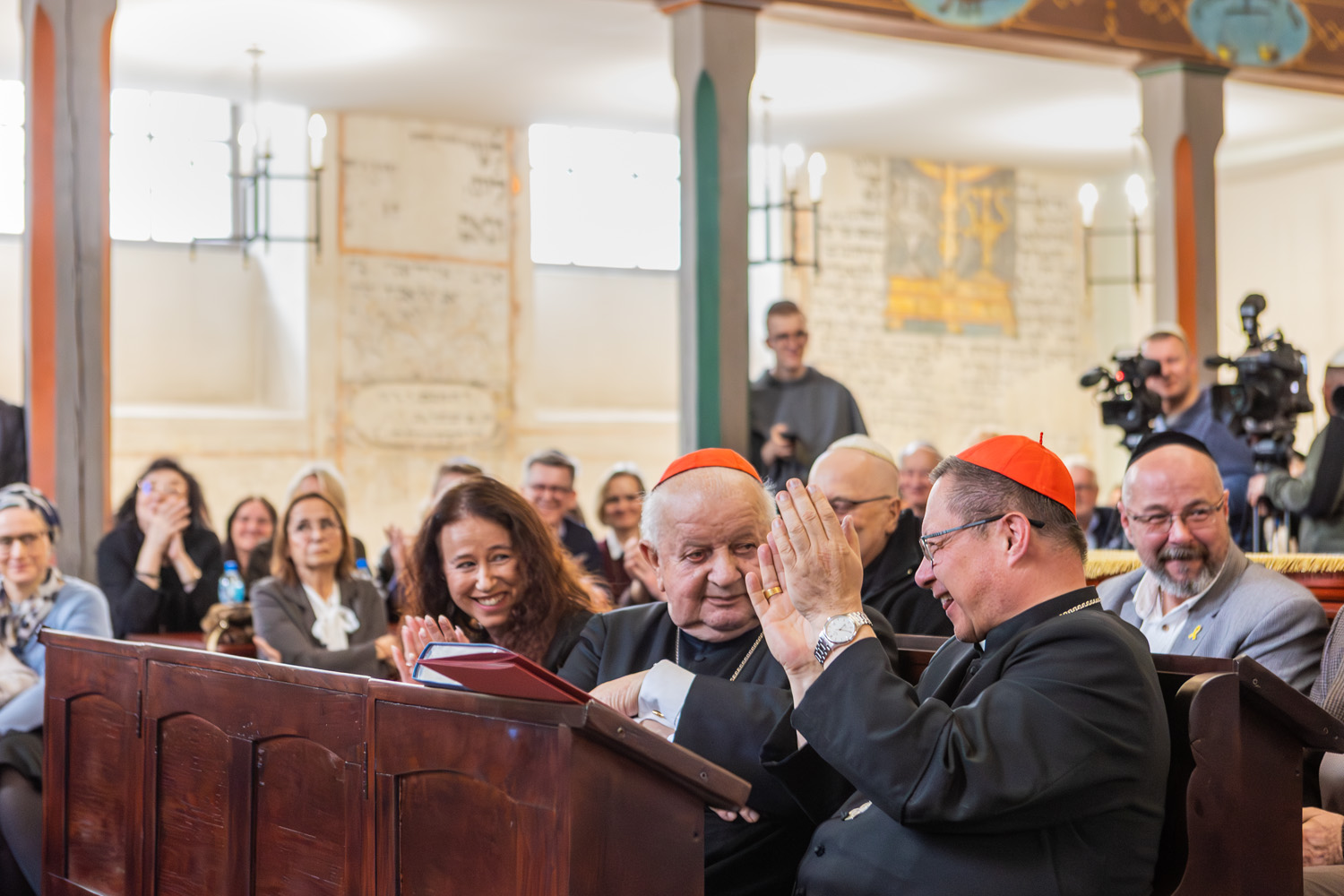
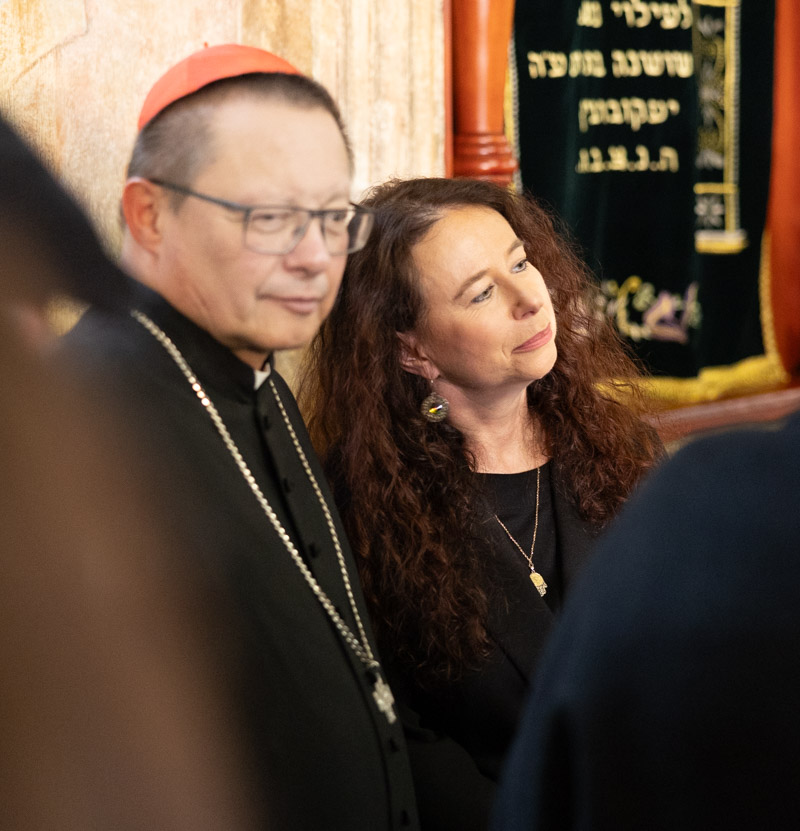
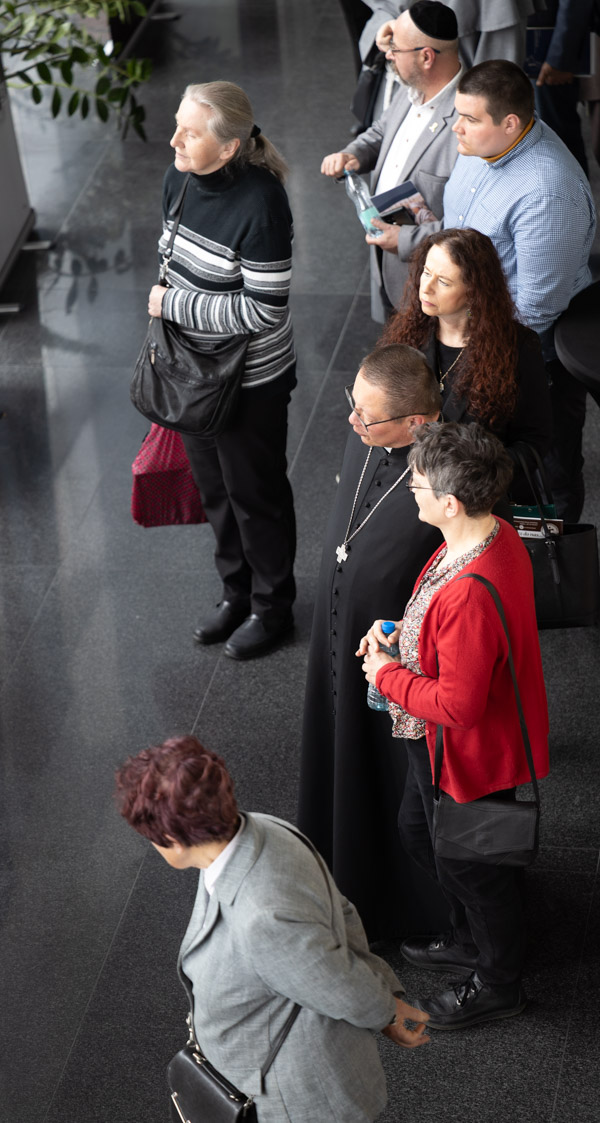
Exactly forty years later, on 13 April 2026, the Metropolitan of Kraków, His Eminence Cardinal Grzegorz Ryś, accompanied by the Senior Archbishop of the Archdiocese of Kraków and longtime personal secretary to Pope John Paul II, His Eminence Cardinal Stanisław Dziwisz, echoed this gesture on a local level by visiting the Kupa Synagogue in Kraków. They were welcomed by Helena Jakubowicz, Chairwoman of the Jewish Religious Community in Kraków, who noted in her greeting that Pope John Paul II’s visit to the synagogue in Rome had been “a watershed moment that opened a new chapter in Christian–Jewish dialogue.” John Paul II not only crossed the threshold of a synagogue for the first time, but also transcended the boundaries that had long divided our faiths. It was not merely the crossing of a physical threshold, but of prejudice, fear, and a painful shared history. His courage in fostering interfaith relations demonstrated that true faith leads to unity. In times marked by tension and division, this event reminds us of the enduring need to cultivate mutual respect, dialogue, and understanding between our communities. Such efforts help to build trust and deepen our sensitivity to the challenges of the present and the future. Dialogue is an ongoing process, one that calls for constant presence, empathy, and a shared commitment to a better tomorrow. What could be more meaningful, more human, than a direct relationship with another person? The Jewish Religious Community in Kraków was fortunate to have, for many years, Tadeusz Jakubowicz—my father—as its Chairman, a man who worked tirelessly to strengthen relations between our communities. It is my only regret that he did not live to witness this moment, to be here with us today and take part in this occasion. I trust, however, that he is watching over us and takes pride in seeing such distinguished guests gathered in our synagogue today.
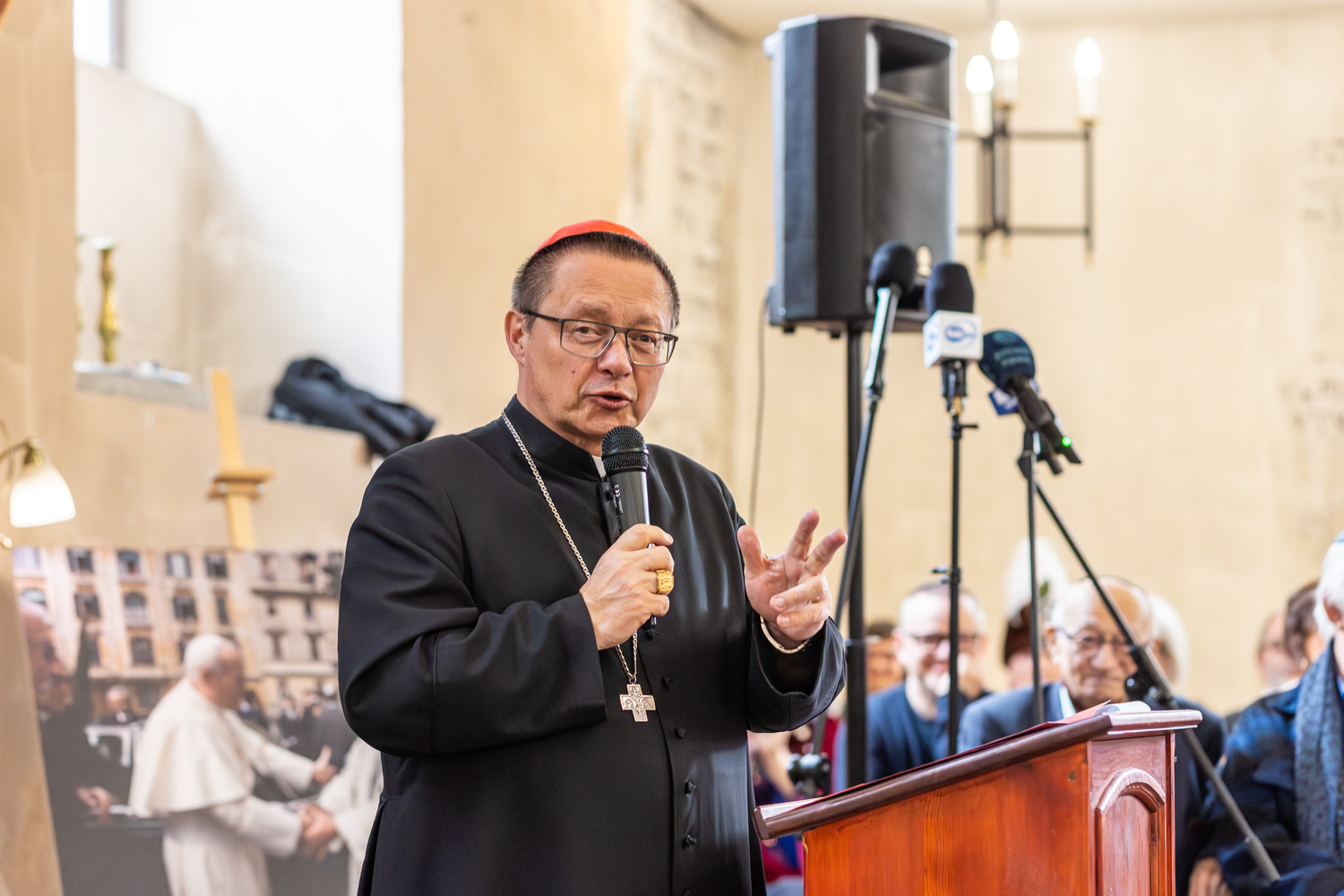
Cardinal Grzegorz Ryś then took the floor, posing a simple yet profound question: “Why are we here today?” He continued: “We come here placing our trust, above all, in God, whom we profess together. We come placing our trust in God, who inspired John Paul II, then Benedict XVI, and Pope Francis, and who—as we believe—guides us to encounter one another: not only those who are here today, but also, in a certain sense, those who have always been present here.”
Kuba Lewinger, the Gabbai of Kraków’s synagogues, observed in his address that “throughout history, up until John Paul II’s visit to the synagogue, efforts were made to divide us. Now we are making peace among friends. That is the fundamental difference.” Cardinal Stanisław Dziwisz, speaking as a “witness to history,” recalled John Paul II’s close and friendly relations with the Jewish people: “The Pope undertook 104 journeys around the world. Wherever there were Jewish communities, he always met with representatives of the Chosen People as part of his itinerary. He often addressed them in Polish, as rabbis in many parts of the world spoke that language. John Paul II felt a deep bond with this people; it was something he had learned in Wadowice.”
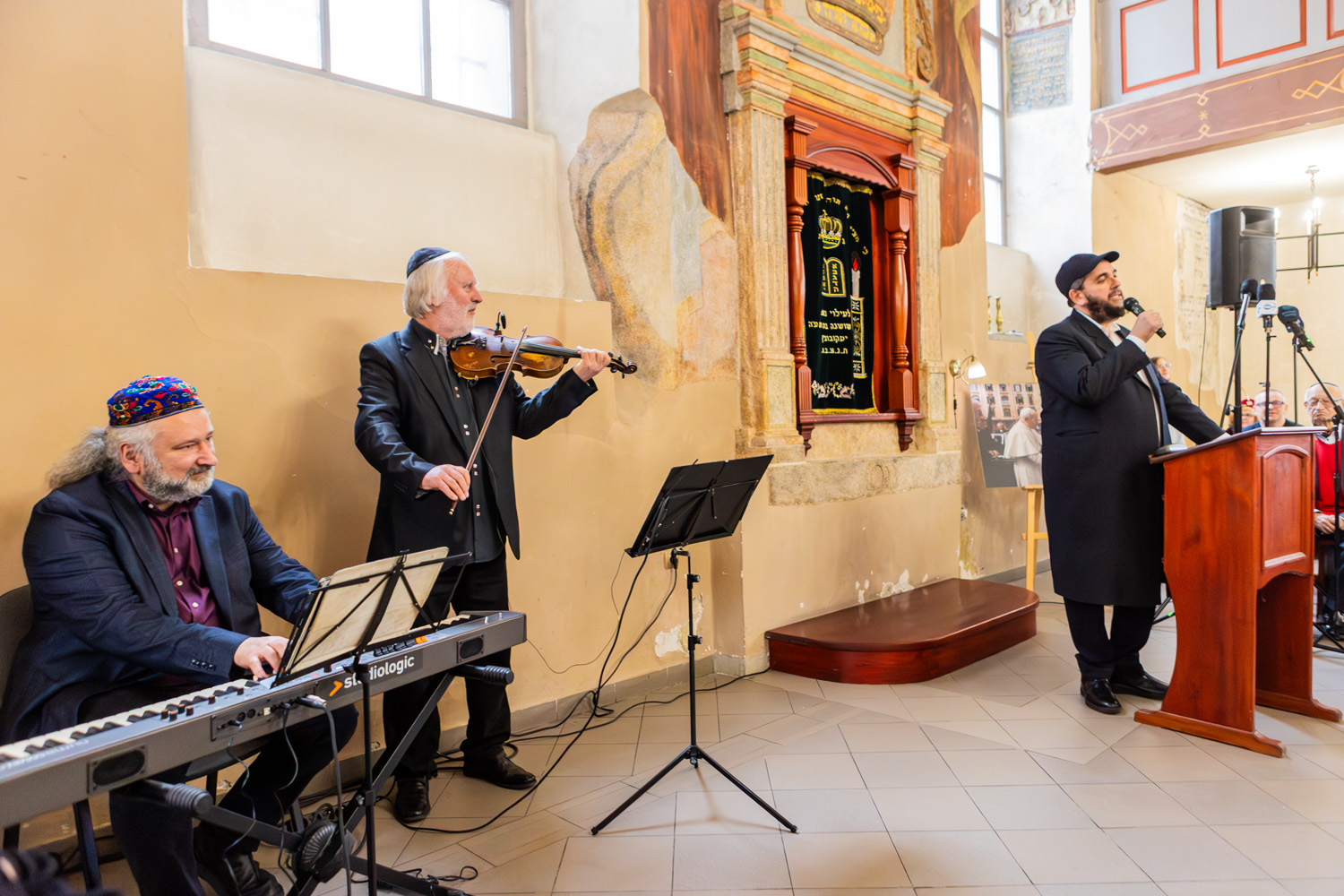
The event was further enriched by a performance from cantor Jeremiah Reichberg, grandson of the renowned Rabbi Mendel Reichberg, who was born in Bochnia.
In closing, the Chairwoman of the Community expressed her gratitude for the visit and extended an invitation to future gatherings: “I hope there will be more meetings like this. I would like to invite you today to the celebration of Judaism Day at the Tempel Synagogue,” she said.
As a memento of the occasion, Cardinal Grzegorz Ryś presented the Chairwoman with the text of a prayer by St John Paul II, which the Polish Pope had placed between the stones of the Western Wall in 2000. To mark the anniversary, the Metropolitan of Kraków also added his own signature to the document.
Following the prayer, a press briefing was held attended by Cardinal Grzegorz Ryś, Helena Jakubowicz and Cardinal Stanisław Dziwisz.
Helena Jakubowicz, Chair of the Community, emphasised once again: “Above all, we are delighted to have been able to host our friends, the Christians of Kraków, with whom we have been friends for years. This meeting has an incredible significance for all of us, for our small community,” she said.
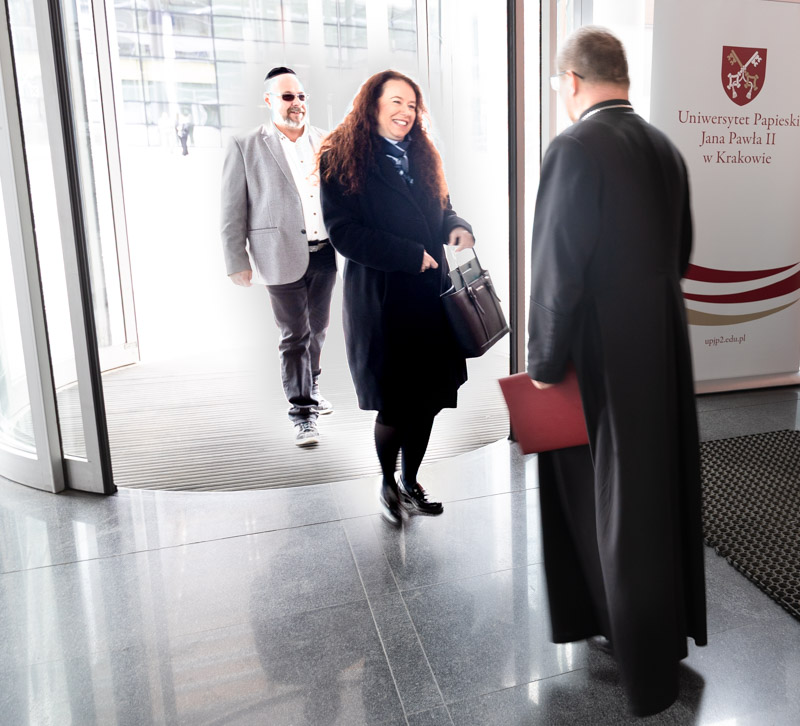
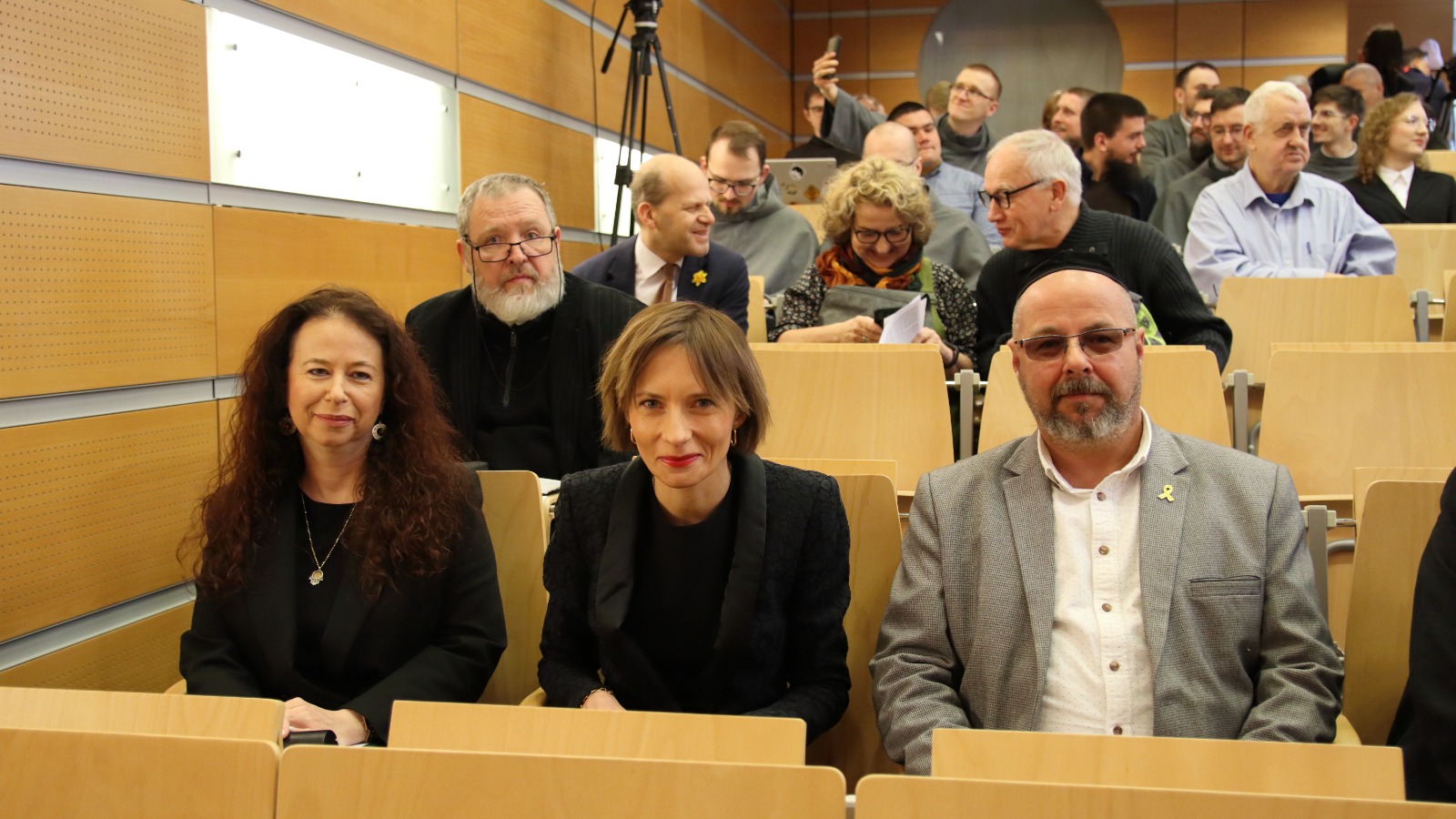
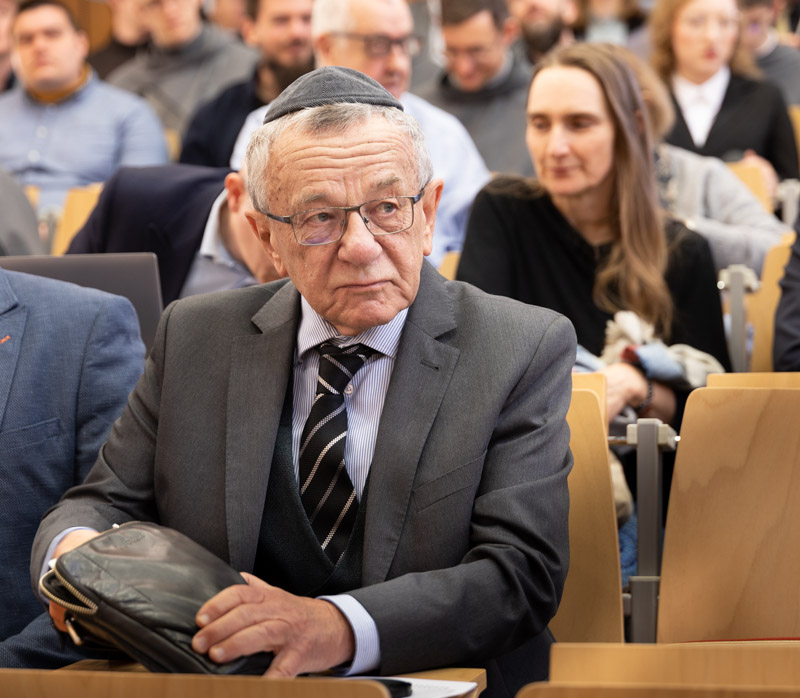
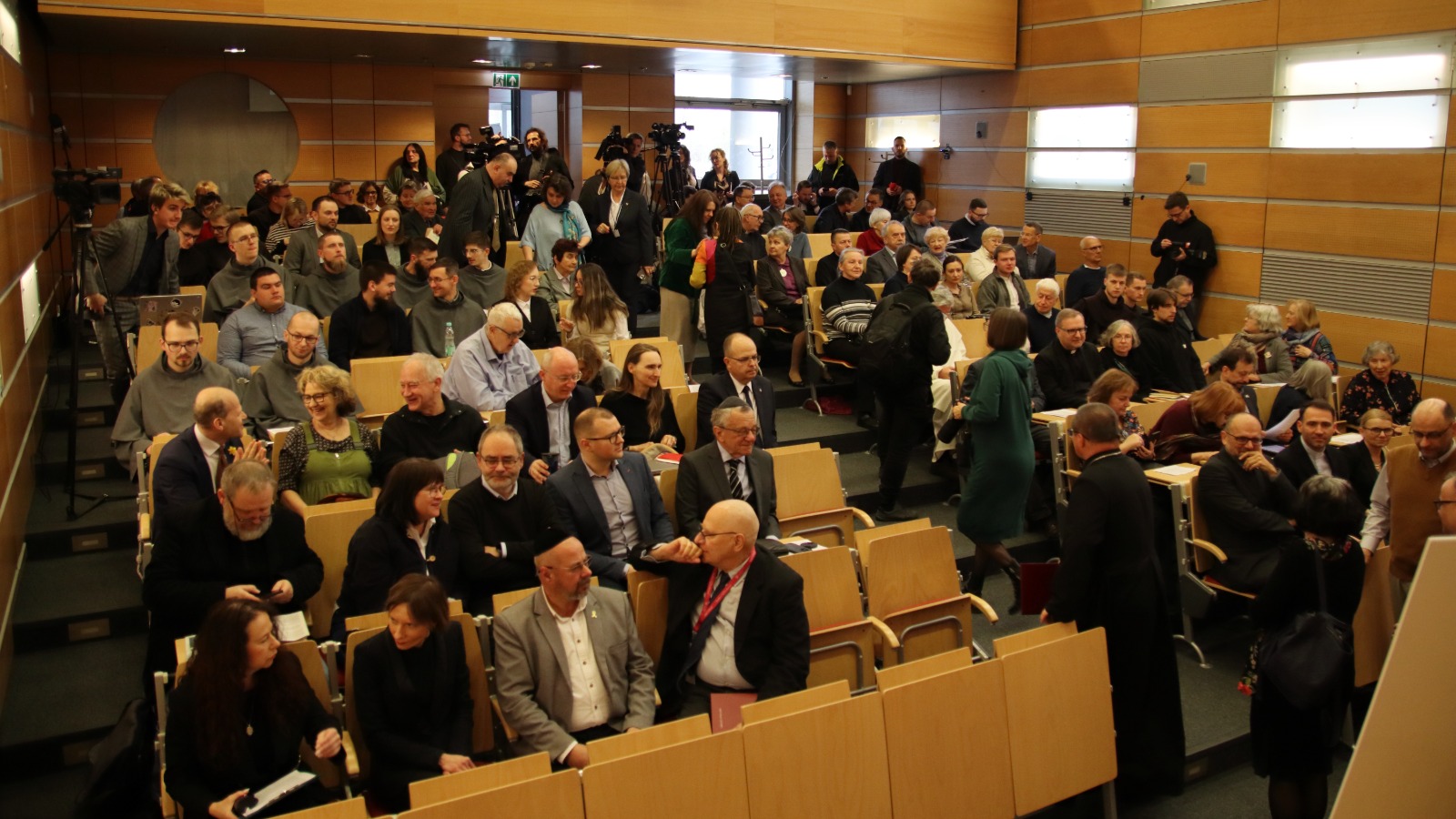
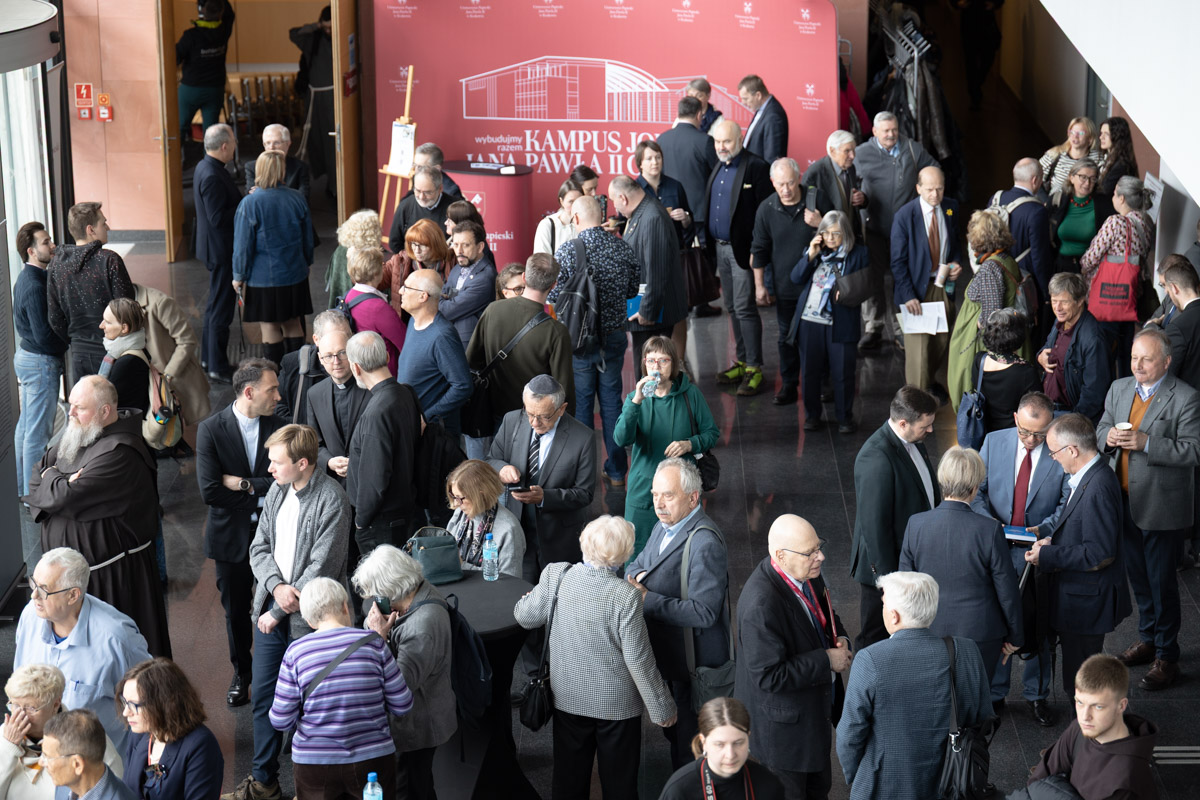
The meeting at the Kupa Synagogue was preceded by an engaging international symposium titled “Crossing the Threshold: The 40th Anniversary of John Paul II’s Visit to the Great Synagogue in Rome.” The symposium was held in the Main Library Auditorium of the Pontifical University of John Paul II in Kraków and brought together a range of organizers, including the Pontifical University itself, the Jewish Religious Community in Krakow, the Council for Dialogue of the Archdiocese of Krakow, the John Paul II Institute for Intercultural Dialogue in Krakow, the Centre for Dialogue and Prayer in Oświęcim, the “Przymierze” Christian-Jewish Club, and the Polish Council of Christians and Jews.
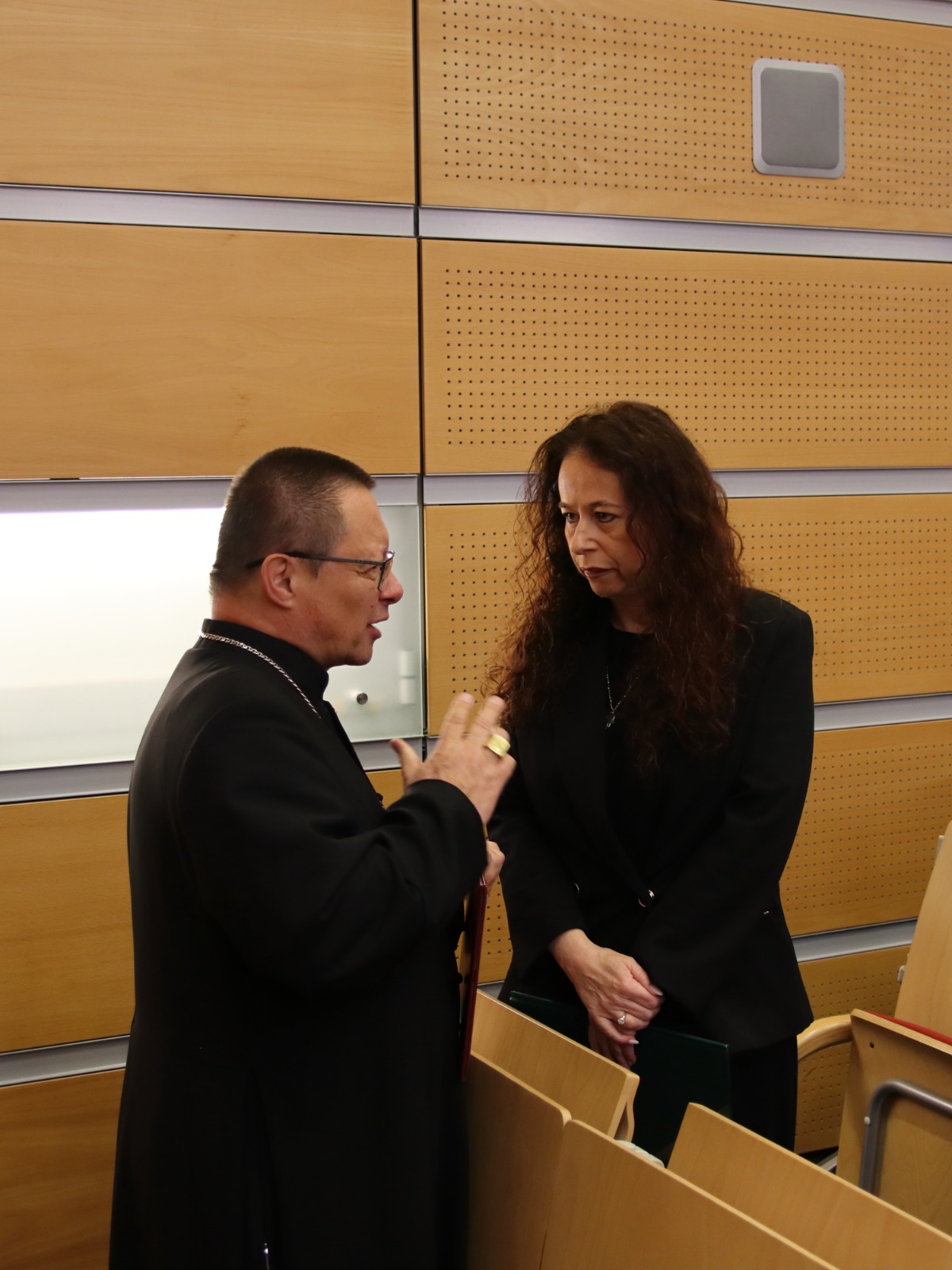
The symposium participants were welcomed by the Rector of the Pontifical University of John Paul II in Kraków, Rev. Prof. Robert Tyrała. Following his remarks, the Chairwoman of the Community and Cardinal Grzegorz Ryś took the floor.
Cardinal Ryś opened his address with the words spoken by John Paul II during his historic visit to the Roman synagogue 40 years ago: “Dear friends and brothers, Jews and Christians.” He noted that these words were met with enthusiastic applause at the time. Four decades later, they resonated just as strongly, prompting the audience gathered in the hall to respond with the same warm applause once again.
During the symposium, six speakers delivered presentations from a range of perspectives. Prof. Karma Ben Johanan discussed the Jewish reception of John Paul II’s visit to the Great Synagogue in Rome, while Dr. Olivier Catel OP presented a lecture entitled “From the Piazza to the Church Pew: How Catholics Received John Paul II’s Visit to the Synagogue.”
Prof. Marcin Majewski explored the biblical motif of crossing the threshold, and Prof. Józef Cezary Kałużny reflected on shared origins and diverging paths in Jewish-Christian relations. Sr. Dr. Tereza Huspekova addressed a key turning point in Catholic teaching on Jews, focusing on the declaration “Nostra aetate.” The symposium concluded with a lecture by Prof. Jan Grosfeld, titled “Dialogue as a Path to One’s Own Identity.”
Following the symposium, Cardinal Grzegorz Ryś inaugurated the exhibition “They Were Neighbours: Human Choices and Behaviour in the Face of the Holocaust.”
Read more about this event:
Photos: Michał Zajda GWŻ, Gabriel Warzała GWŻ, Archidiecezja Krakowska Biuro Prasowe
Rada Dialogu Archidiecezji Krakowskiej: Adam Walanus, IWASZKO Fotografia